Engineering · Procurement · Construction
Infrastructure in the service of people.
PGC International is a global development and EPC contractor. Water, power, housing, and installations that let communities recover, grow, and carry on with dignity.
Registration
Peck General Construction Inc.
- CSLB license
- 1034281
- Cert. ID
- 2039187
- UEI
- RCP3Y3WGKV21
- CAGE
- 9V6W3
- Bidder / Supplier ID
- BID0108860
- DIR
- 2000006139
- USFCR
- Certified
- JCP
- Certified
- CMMC
- Certified
The vision
Four kinds of work. One duty of care.
Humanitarian recovery, disaster response, major development, and military installations. Each is judged by whether people can live and work on what we leave behind.
Disaster response
After earthquake, flood, or storm: access, water, power, and care — then the permanent replacement.
The scope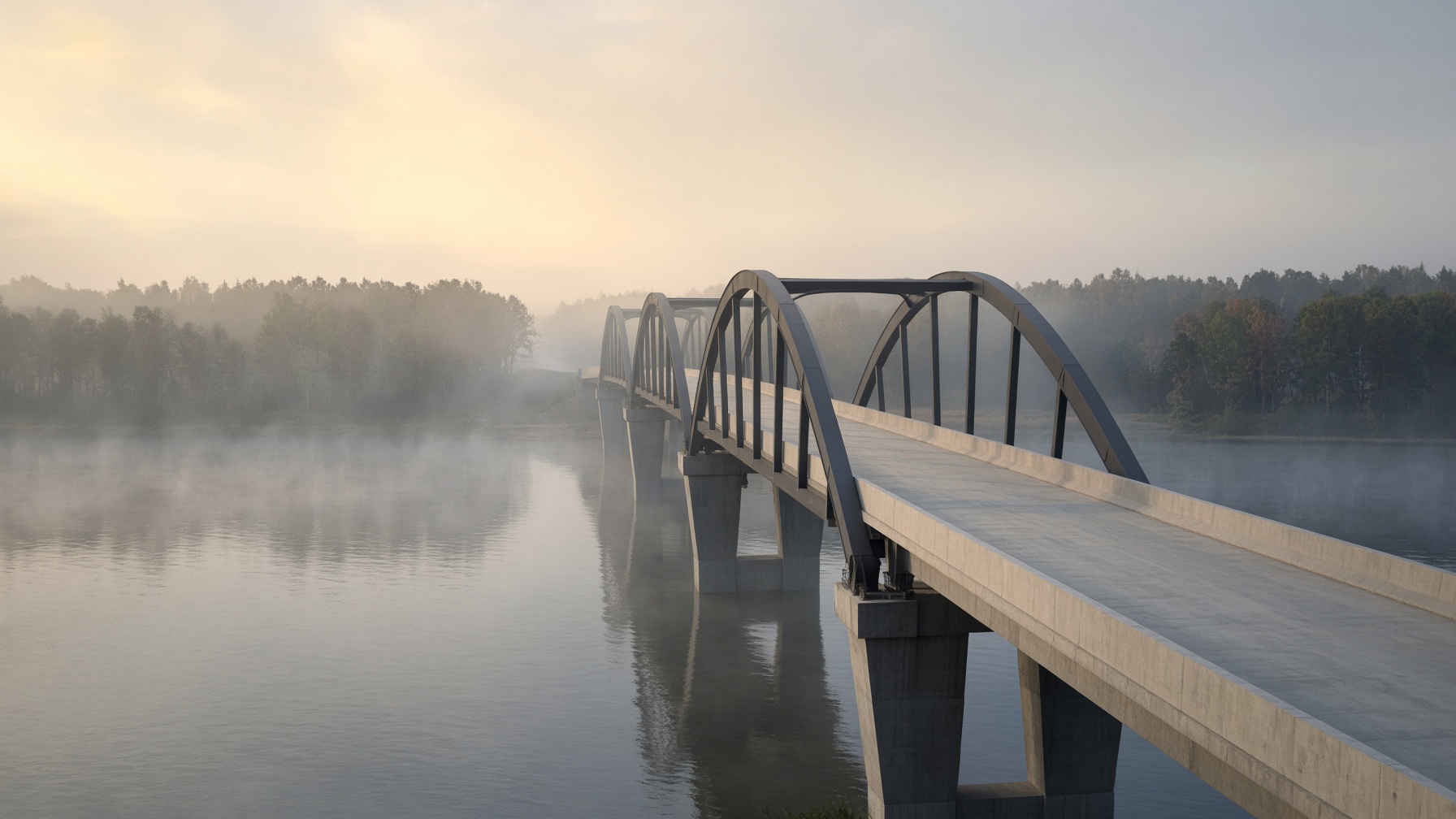
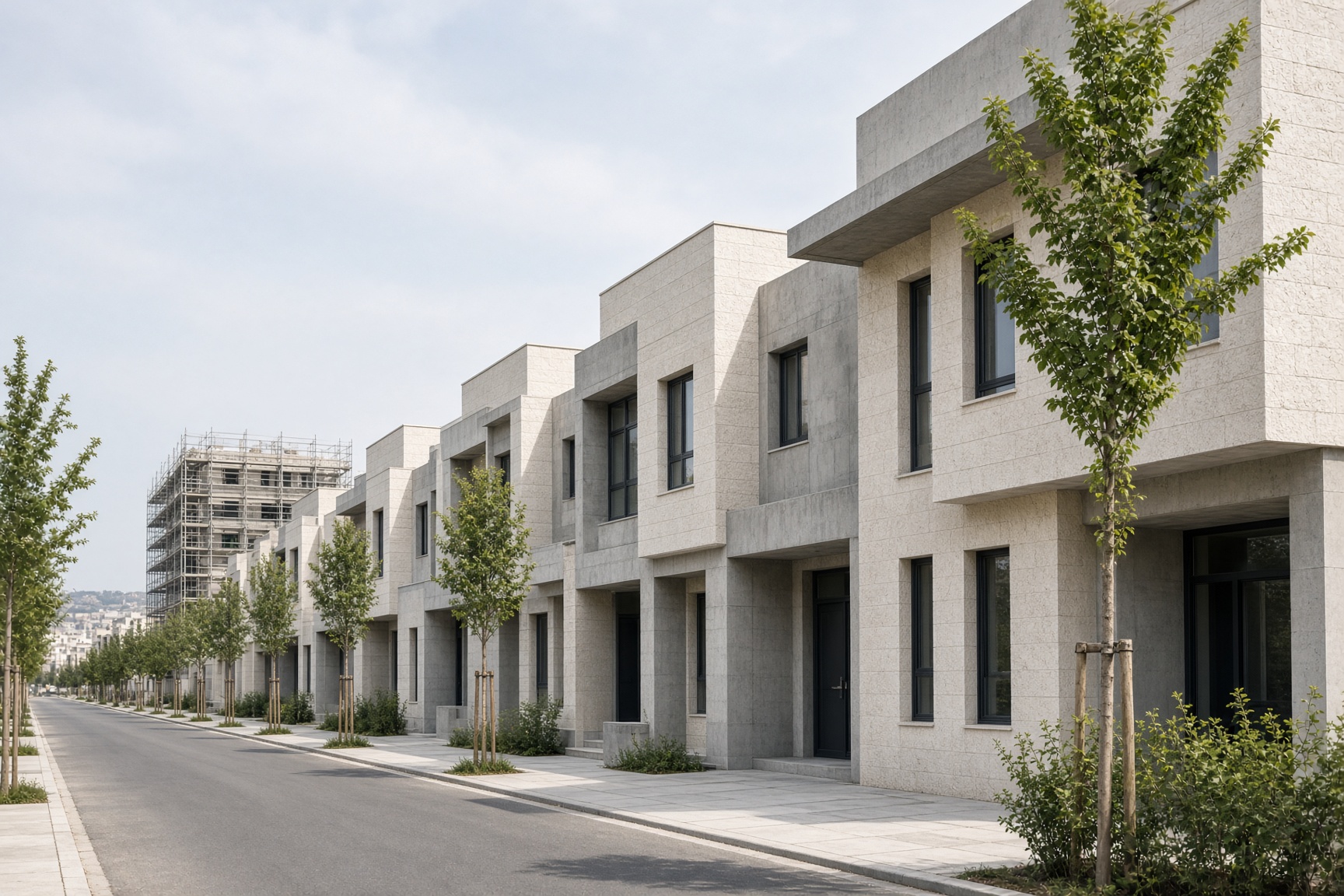
Major development
Housing districts, civic buildings, plants, and the horizontal works a region grows on.
The scope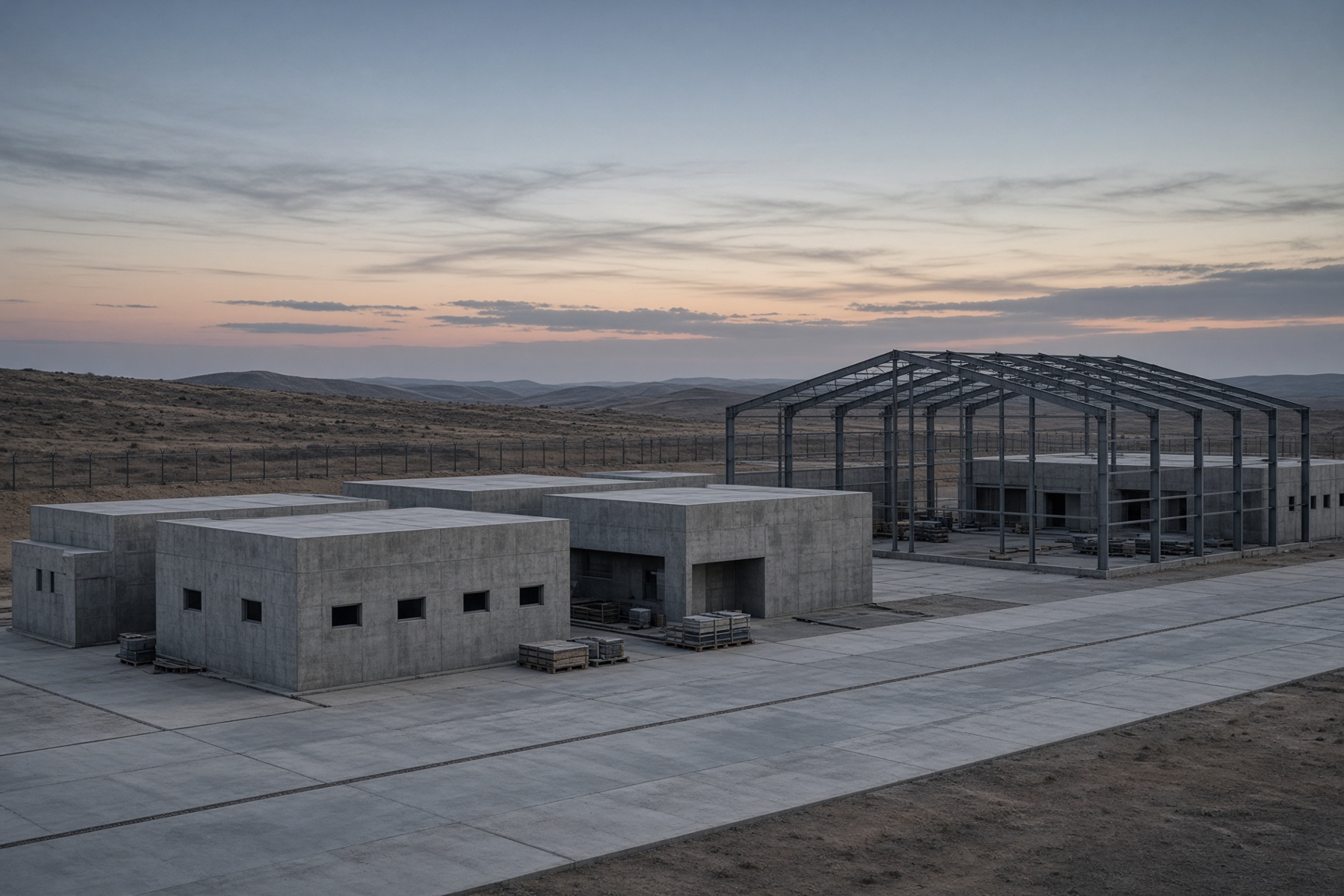
Military installations
The ground a mission stands on: life support, utilities, aprons, and hardened facilities.
The scopeDelivery
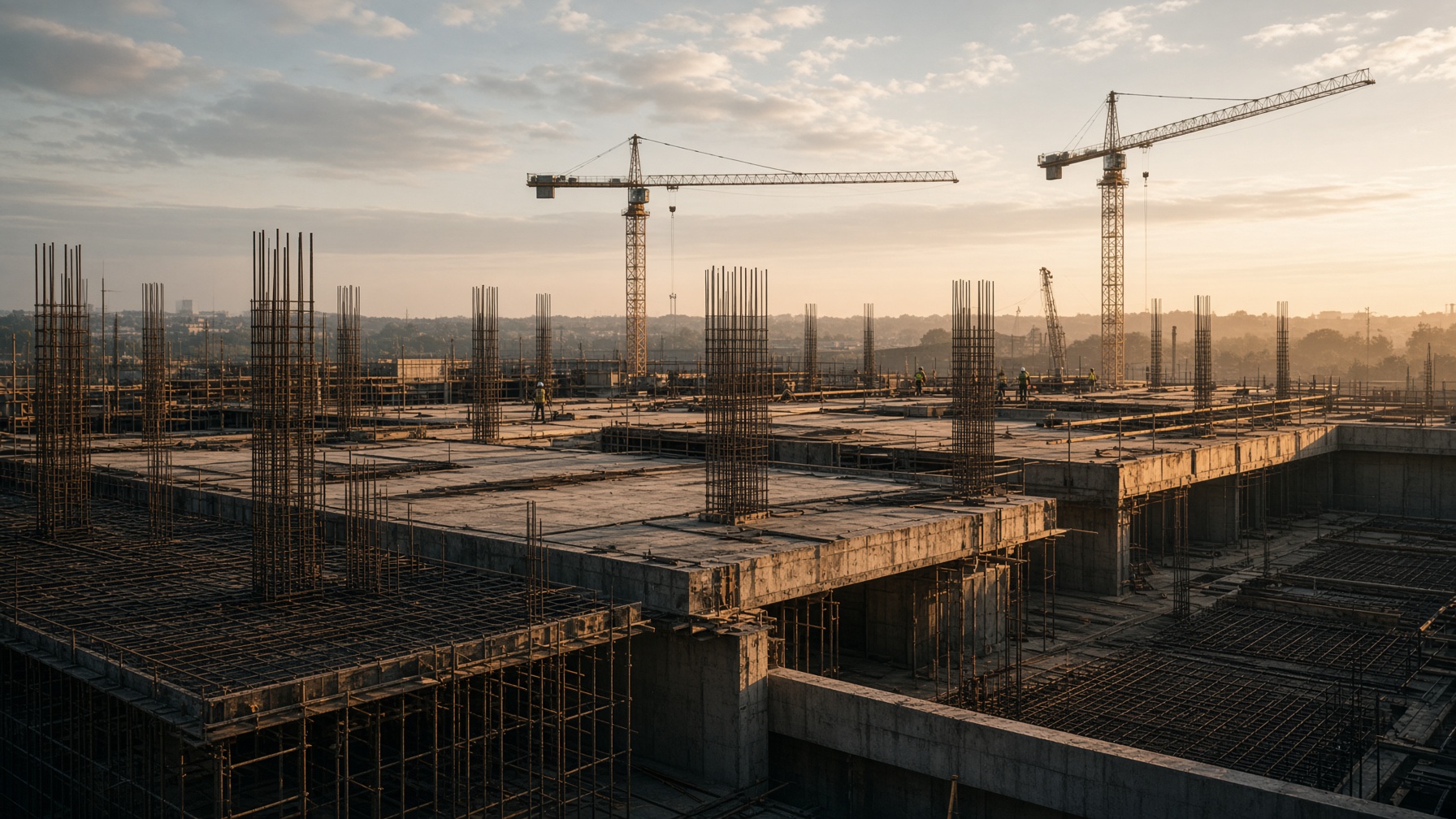
One firm. Engineering, procurement, construction.
A clinic, a housing district, a treatment plant, or a base is the same obligation: design it, buy it against a real path, and build it so the people who remain can operate it.
E
Engineering
What has to stand, on what ground, and to what standard.
P
Procurement
What is bought locally, what must ship, and what cannot wait.
C
Construction
Who builds it, in what order, and how it is turned over.
Utilities
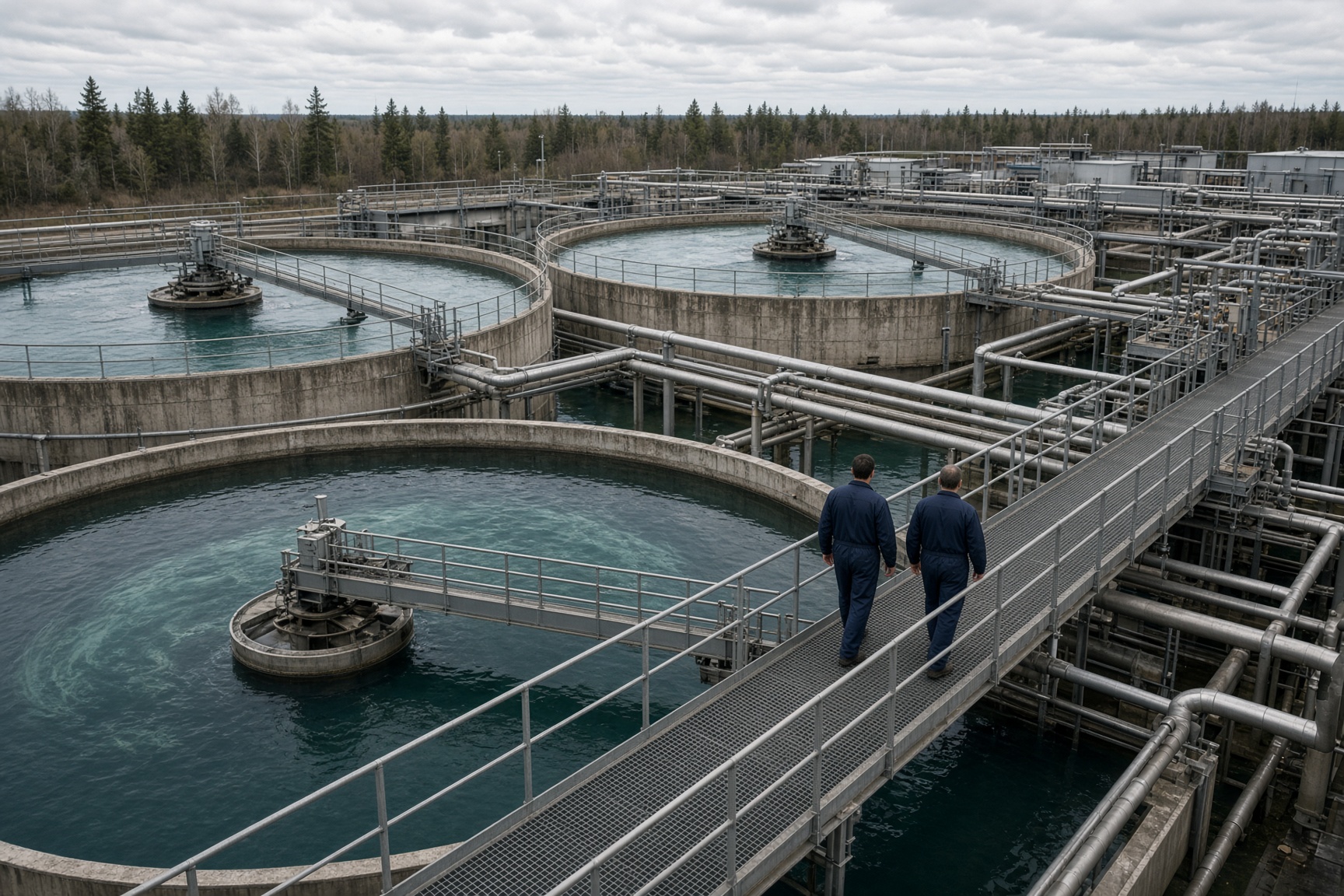
Water and power come first.
Treatment, piping, substations, and the mechanical plant inside a building are not extras. If they are late, the housing and the clinic are late. We schedule the services with the structure, because that is what makes a building fit for people.
Field
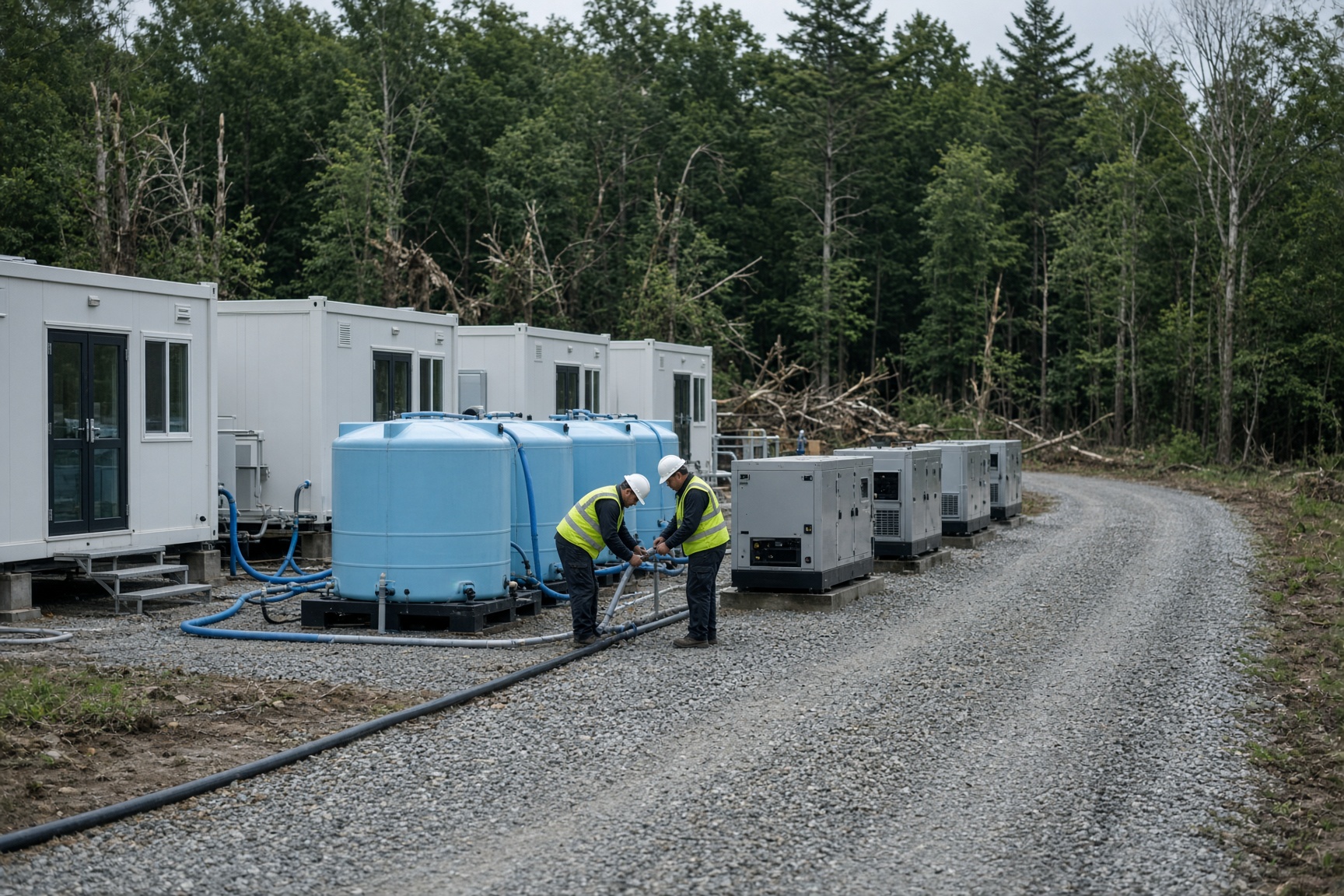
A site has to be able to host its own construction.
Damaged and remote ground does not arrive with a yard, a road, or a power drop. Mobilization — camps, laydown, temporary services — is scoped on purpose, then removed on purpose.
How a program runs
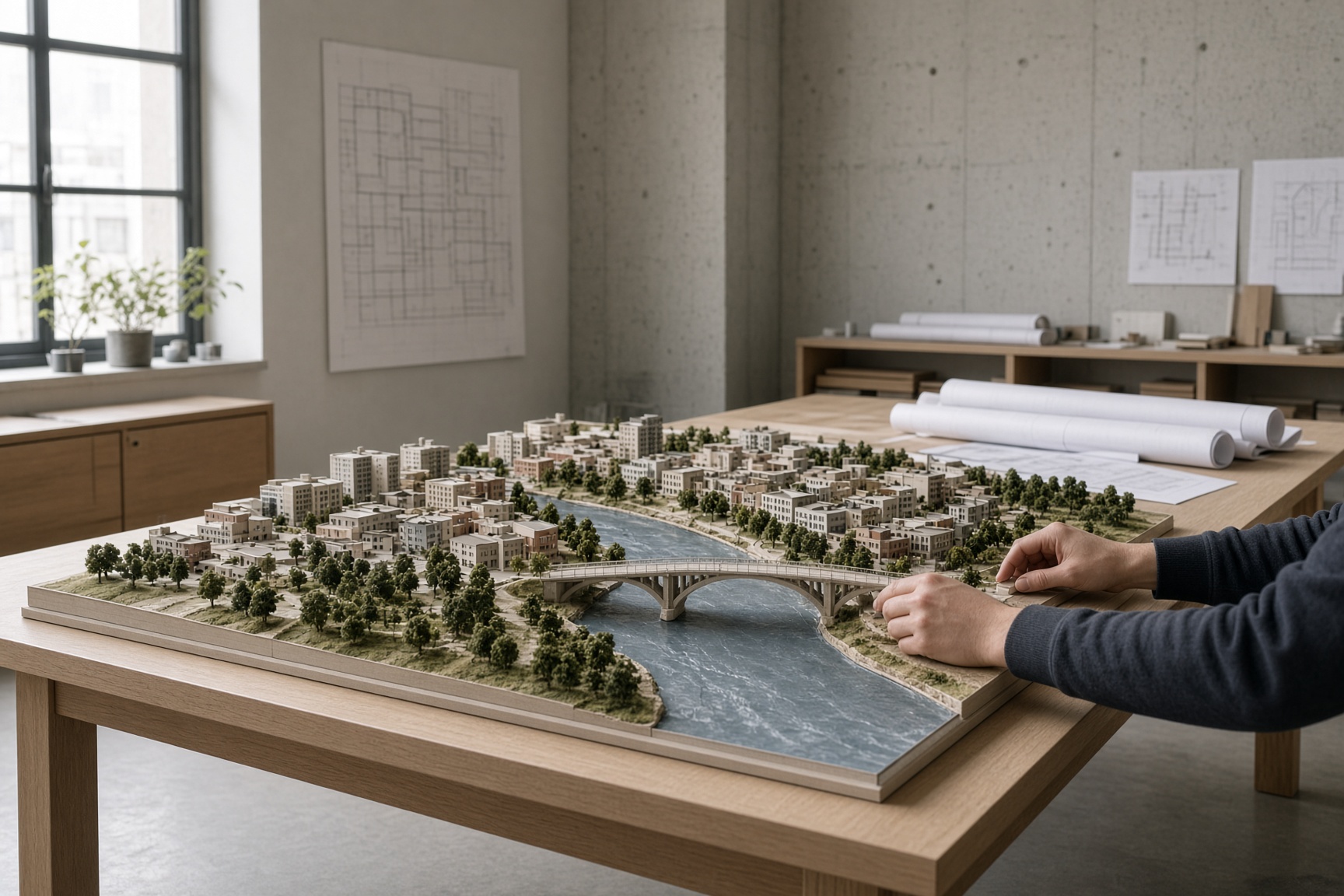
Six steps. No step is optional.
Define
Scope, access, security, climate, and what “finished” means to the owner.
Engineer
Civil, structural, and utilities, including the temporary works that make them possible.
Procure
Materials and long-lead equipment against a logistics path, not a wish.
Mobilize
Laydown, power, water, and a workforce that can remain on the site.
Build
Sequenced construction, with quality held in the field while it can still be fixed.
Turn over
Commissioning, training, and records the next operator can use.
The standard we answer to.
- Dignity is part of the specification
- Safe water, a room that can be lived in, a clinic a nurse can run. Humanitarian intent is measured in those things, not in a statement.
- One contract, one schedule
- Design, buying, and building answer to the same completion date. The owner is not left to reconcile three separate contractors.
- Local hands on the work
- Host-nation crews and suppliers are part of the plan. A place is not truly rebuilt by a workforce that leaves with the cranes.
- Care for the people on site
- Safety, orderly camps, and clear records. The same discipline applies on a disaster site and on a military installation.
Tell us the place, and what the people there need standing.
Location, the owner, and the constraint that changes the job. That is enough to begin a serious conversation.